The aviation industry is undergoing a paradigm shift. For decades, pilot progression was measured almost exclusively by one metric: total flight hours. However, as cockpits become more automated and operational environments more complex, regulatory bodies like EASA and the FAA are moving toward a more sophisticated model: Competency-Based Training and Assessment (CBTA).
In this article, we explore how CBTA aviation training is redefining safety and why the right simulation technology is the heartbeat of this transition.

What is CBTA? From quantitative to qualitative excellence
CBTA aviation training is a methodology focused on the performance of the pilot rather than just the time spent in the cockpit.
- Definition: it is a training system characterized by an emphasis on what a pilot can actually do. It identifies the skills, knowledge, and attitudes (competencies) required to operate safely and efficiently.
- The Shift in Approach: we are moving from a quantitative model (accumulating hours) to a qualitative one (pilot competency standards). In a CBTA environment, a student progresses only when they demonstrate mastery of specific competencies, such as workload management, situational awareness, and manual aircraft control.
- Regulatory Implementation: both EASA CBTA requirements and the FAA’s advanced training frameworks are already integrating these principles. At entrol, we see this as a natural evolution: training for the mission, not just for the license.
Why entrol simulators are the key to CBTA
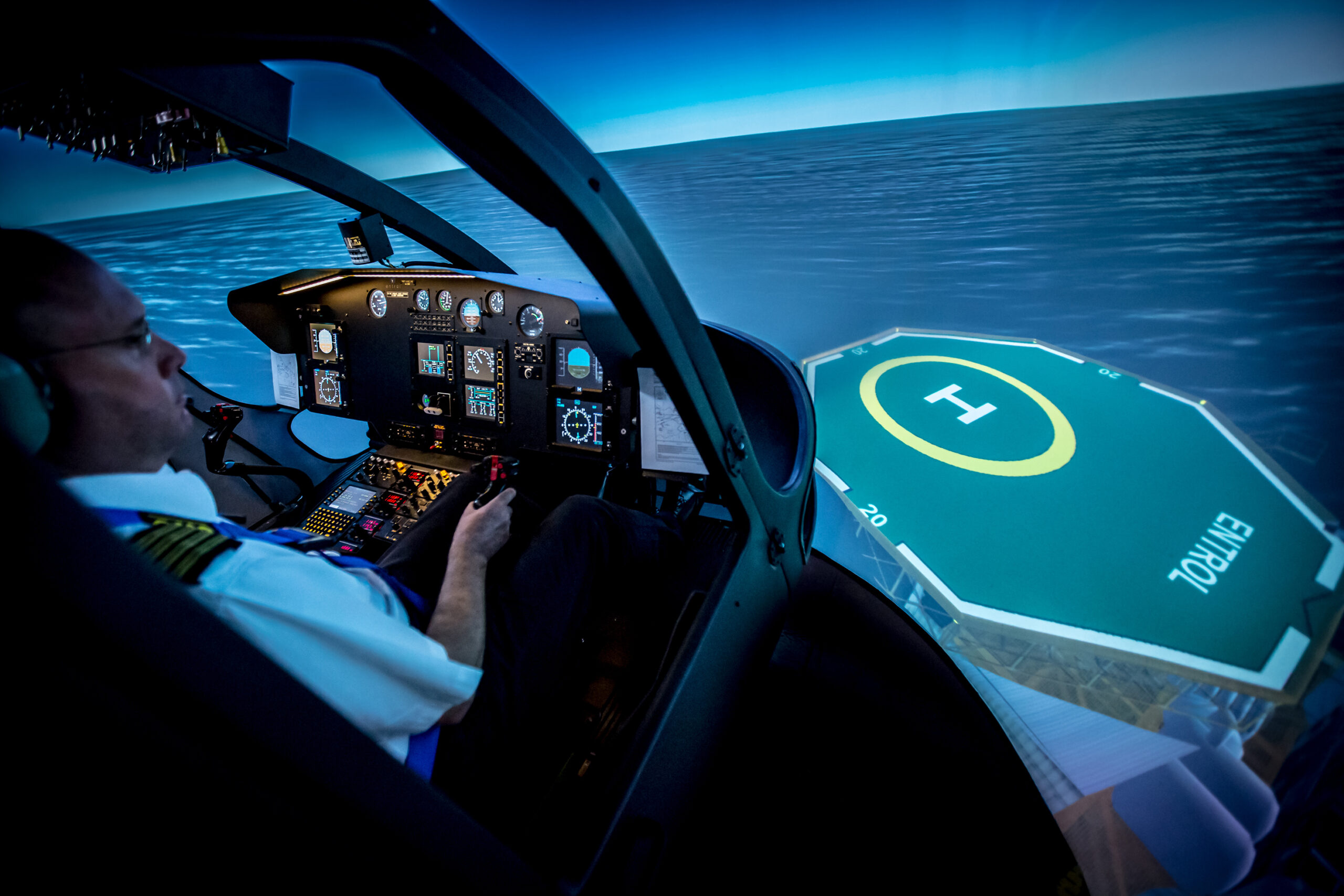
To implement flight training evidence-based models, the training environment must be highly controllable and replicable. This is where entrol high-fidelity simulators become indispensable.
1: High-Fidelity: the basis of evidence
CBTA relies on “evidence.” If a pilot interacts with a non-responsive GPS, an unrealistic visual environment, or flight controls that don’t provide the correct feedback, competencies like “Automation Management” or “Manual Aircraft Control” cannot be properly assessed. At entrol, we develop our own hardware and software—from our high-resolution visual systems to our advanced Control Loading Systems (CLS)—to ensure that every switch, system, and movement in our H145 or Bell 505 replicas triggers the exact same physical and visual response as the real aircraft. This total immersion is what makes the pilot’s behavior “measurable evidence.”
2: Complex and specific scenarios
While standard technical failures are part of any training, CBTA in helicopter operations thrives on the unpredictable. Unlike fixed-wing aviation, helicopter missions—such as SAR, HEMS, or firefighting—rarely have fixed routes and often take place in hostile environments.
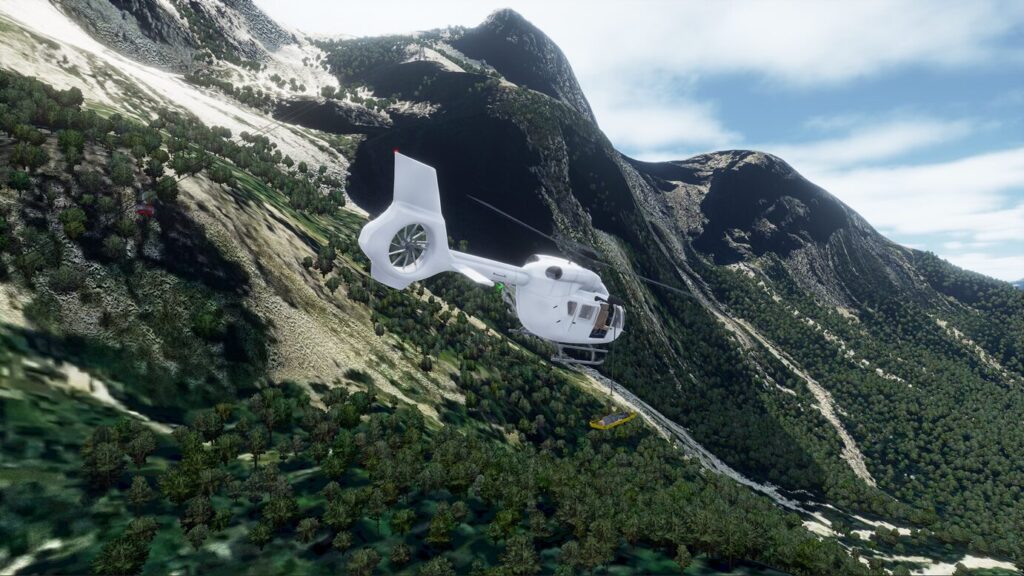
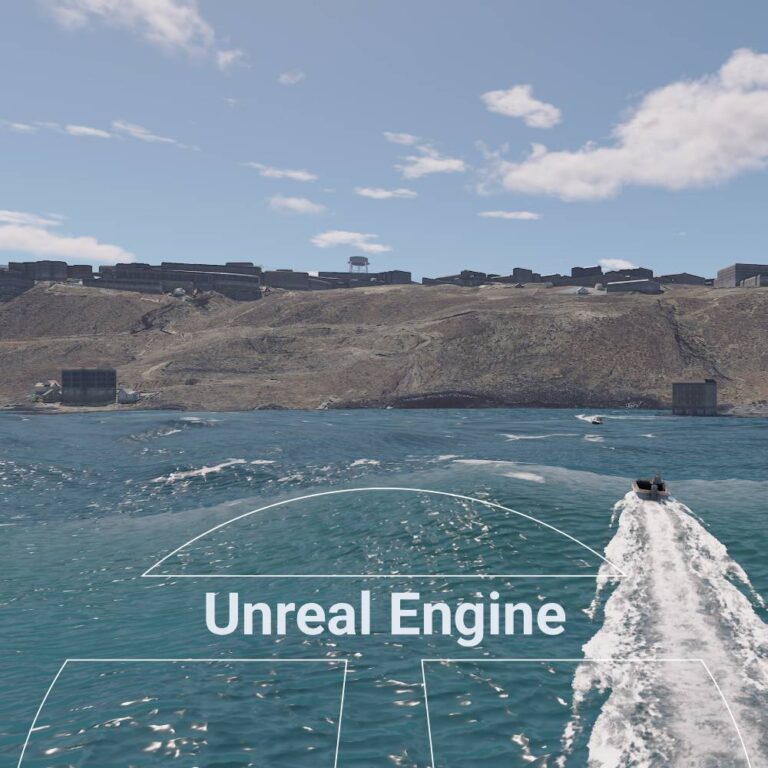
Simulators allow pilots to face “black swan” scenarios where the right answer isn’t always in a checklist: a sudden shift in wind direction during a wildfire, a rescue mission in a tight canyon with deteriorating visibility, or an unplanned landing in an unprepared, high-altitude zone. In these “gray area” situations, CBTA evaluates the pilot’s ability to analyze risks and make critical decisions under pressure. Our mission-specific databases allow crews to train for these complex, real-world reactions in a safe, replicable environment.
3: Master, Debrief, Evaluate
The core of CBTA is the feedback loop.
- Repetition: pilots can repeat a specific competency until mastered.
- Debriefing: entrol simulators offer advanced debriefing tools, allowing instructors to review flight data and video, providing objective evidence for evaluation.
- Evaluation with the Instructor: these tools also facilitate a deep discussion on the reaction.
How to implement CBTA in your training program
Adopting EASA CBTA requirements requires a strategic combination of technology and pedagogy.
A. Choose the Right Device
Not all simulators are created equal for CBTA. You need a device that provides the necessary fidelity to trigger the correct pilot responses without unnecessary costs.
- Check our definitive flight simulator guide for choosing between FNPT, FTD, and FFS to understand the technical nuances.
- Understanding the key factors for finding the ideal flight simulator training is about matching the device level to the specific competencies you intend to train.
B. Follow regulatory guidelines
The elaboration of the training program must be strictly aligned with EASA/FAA guidelines.
You can check the official FSTD levels and credits to see how much of your CBTA curriculum can be moved to an entrol simulator.
C. Instructor training
The instructor’s role changes in a CBTA environment. They are no longer just “graders” but “facilitators” of competency.
Entrol provides intuitive IOS (Instructor Operator Station) interfaces that allow instructors to focus on the pilot’s behavior rather than on managing the machine.
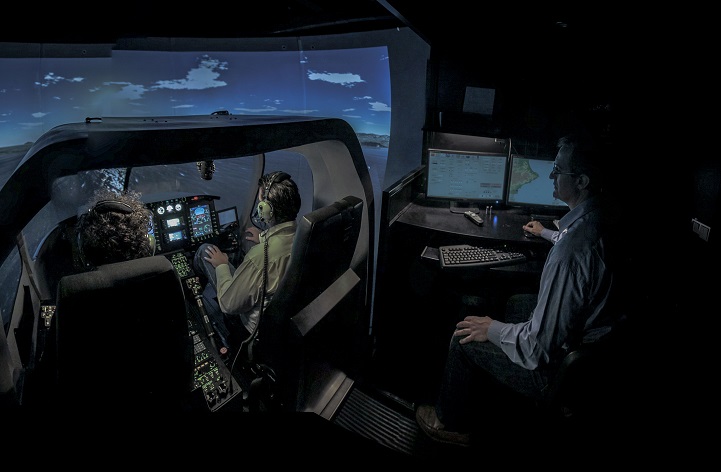
At entrol, we don’t just build simulators; we build the tools for safer skies. Our commitment to pilot competency standards is reflected in every device we deliver, ensuring that ATOs and operators are ready for the regulatory demands of 2026 and beyond.